
A landscape worth slowing down for
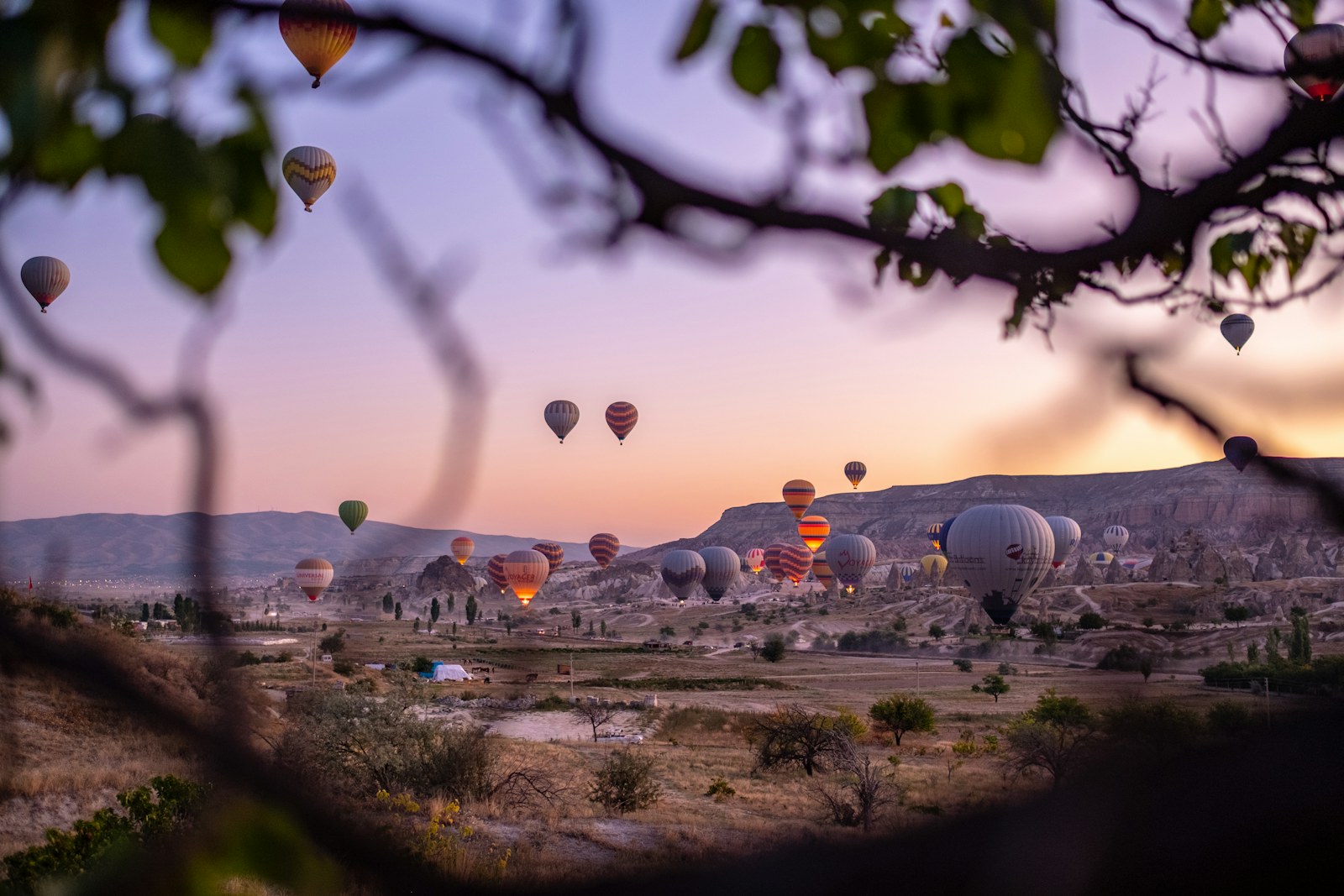
Cappadocia is often introduced through one image: hot-air balloons drifting above a pale, sculpted horizon. The view is memorable, but it is only the opening scene. This part of central Türkiye invites you to walk through valleys, enter rooms carved into stone, notice the details of painted churches and spend time in towns that still shape the region’s daily life. Build your days around a few neighboring places and let the landscape change as you move through it.
Why the rocks look this way
The region’s forms began with volcanic material and were shaped over time by erosion. Softer layers wore away while more resistant rock remained, creating ridges, cones and the formations commonly called fairy chimneys. UNESCO describes the Göreme area as a landscape where natural processes and human settlement are closely connected. That relationship is easy to see on foot: a cliff may hold a doorway, a valley wall may reveal a former dwelling, and a distant cone may look completely different from the next viewpoint.
Begin with Göreme’s rock heritage
Göreme Open-Air Museum makes a useful first cultural stop. Its rock-cut churches and monastic spaces show how communities adapted the soft stone for worship and everyday use. Look beyond the façades: the arrangement of rooms, the changing scale of the spaces and the surviving painted decoration tell a longer story than a quick photograph can. The official Türkiye Museums description identifies churches, chapels, dining rooms and living spaces in the site. Give yourself time to read the interpretation available on the day and follow the rules protecting fragile surfaces. Opening arrangements and access to individual spaces can change, so check the museum’s current information before setting out.
Choose a valley, then walk it well
The valleys reward an unhurried approach. Rose and Red valleys are known for shifting colors in the rock, while Pigeon Valley connects broad views with traces of the area’s agricultural past. GoTürkiye lists several walking routes across the region, including options near Göreme, Uçhisar and Çavuşin. Pick a route that fits the daylight, weather and walking ability of your group. Comfortable shoes, water and sun protection matter more than squeezing in one extra stop. Respect marked routes and avoid entering unstable or closed openings.
Look beneath the surface
Kaymaklı and Derinkuyu show a different response to the same geology. These underground settlements were developed over many periods and used as places of refuge. Their passages, rooms and ventilation features reveal considerable planning, but a visit feels very different from an open valley walk. Corridors may be narrow, low and crowded. If enclosed spaces are uncomfortable for you, decide before arrival whether this part of the itinerary is right. Choose one underground site for a thoughtful visit rather than treating both as a race.
Make room for living towns
Cappadocia is not a landscape museum. In Avanos, pottery remains a visible part of local identity, and a workshop visit can add human scale to a day of rock formations. Watch how a piece is made, ask about the technique and buy only when an object genuinely appeals to you. Smaller towns such as Uçhisar, Ortahisar and Çavuşin offer different street scenes and viewpoints. Their appeal comes from ordinary details as much as panoramic views: doorways, courtyards, changing light and the rhythm of a place beyond its most photographed corner.
About the balloons
A balloon flight can be a remarkable way to see the valleys, yet it should be treated as one possible experience rather than the condition for a successful trip. Operations depend on weather and aviation approval. Book through an appropriately licensed operator, understand the terms and keep another morning free if the flight is important to you. Watching the sky from a suitable viewpoint can be beautiful too, but do not trespass on private land or stop in unsafe roadside locations for a photograph. When the balloons do not fly, Göreme’s churches, valley paths and village streets still offer a full day.
A balanced three-day outline
On the first day, arrive, settle in and explore Göreme at an easy pace. Pair the open-air museum with a short nearby walk, leaving the evening for a viewpoint or a relaxed meal. Use the second day for one longer valley route and a visit to Avanos or another town; keep transfers short so you can enjoy the places rather than count them. On the third day, consider an underground city and a different landscape around Uçhisar, Paşabağ or Zelve before departure. This is a framework, not a promise that every attraction fits every travel date. Check current access, journey times and your own energy before finalizing the order.
Travel with care
Spring and autumn often make walking comfortable, while summer calls for earlier starts and more attention to heat. Winter can bring a quieter mood as well as cold conditions. Weather varies, so pack for the forecast rather than for a postcard. In churches and other heritage spaces, follow photography restrictions and keep hands off painted or carved surfaces. Stay on established paths where erosion is visible, carry out what you bring in and support local businesses respectfully. These small choices help protect the very qualities that make Cappadocia worth visiting.
The best Cappadocia journey is not measured by how many stops fit into a day. It is the one that lets you understand how stone, history and present-day life meet. Start with a route that suits your time, then leave room for curiosity along the way.