
Approach Hatay through a shared table
Hatay’s cuisine cannot be explained by a single signature dish. The province lies between Anatolia, the Mediterranean and the routes leading toward the Levant, and its kitchens reflect centuries of exchange. UNESCO admitted Hatay to the Creative Cities Network in the field of gastronomy in 2017, emphasising the city’s multicultural identity, spice-trade history and agricultural diversity. A thoughtful food journey should therefore connect markets, farms, bakeries, home traditions and restaurant tables. It should also recognise that Hatay continues to recover from the 2023 earthquakes. Visitors can contribute most responsibly by choosing operating local businesses, following current access advice and listening to residents rather than treating recovery as a spectacle.
Begin with ingredients, not a checklist
Spend time learning the building blocks of the regional table: olive oil, bulgur, wheat, pomegranate molasses, peppers, thyme, mint, sesame, chickpeas, yoghurt and local cheeses. Their roles change between household, village and season. Market displays can be an excellent introduction, but ask before photographing vendors and do not handle produce without permission. When buying spices or pepper pastes, ask about heat, salt, storage and origin. Labels such as “Hatay style” do not guarantee local production. Small purchases from transparent producers and cooperatives can support food culture more directly than collecting anonymous packaged souvenirs.
Let mezze show the region’s range
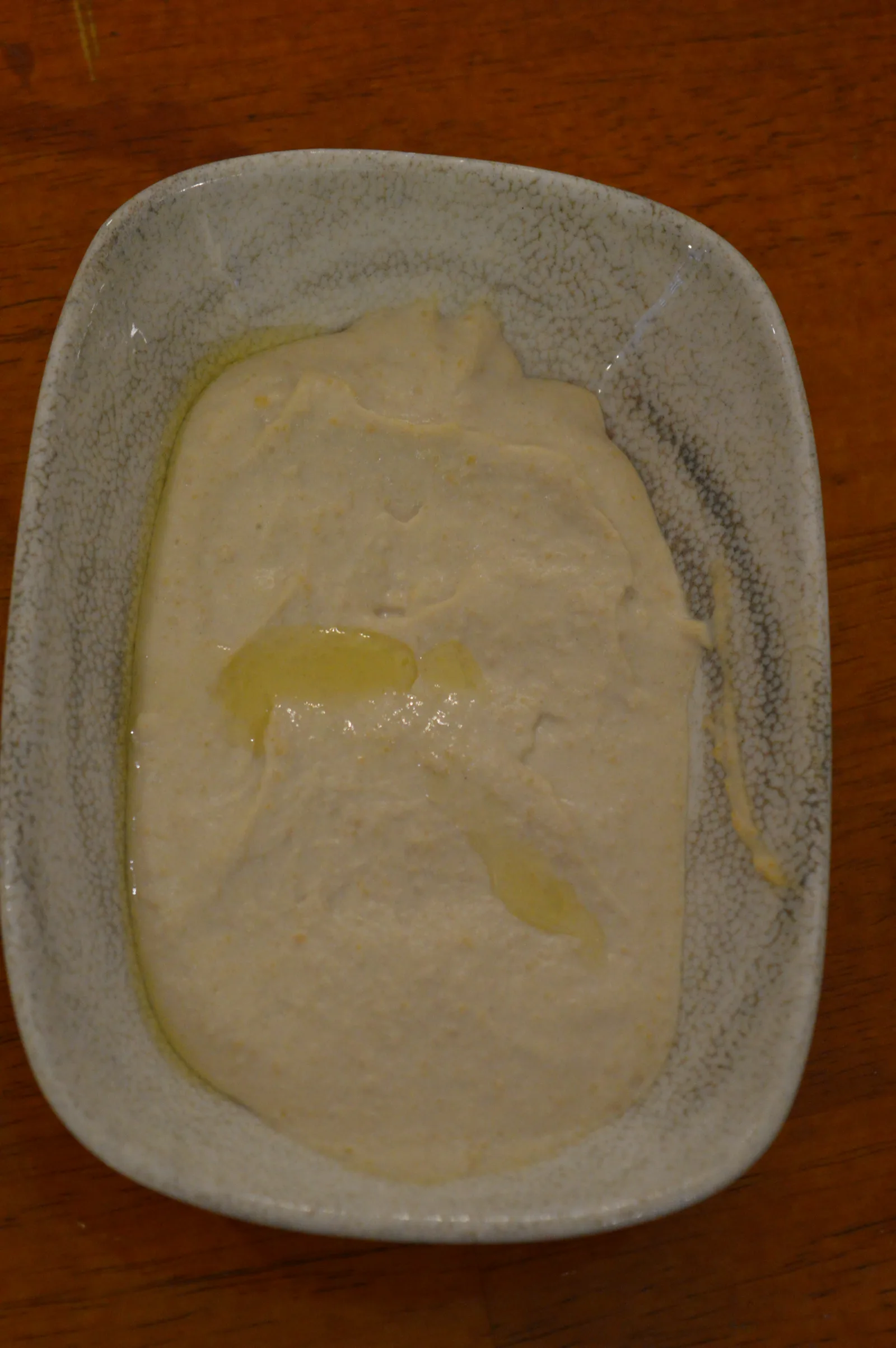
A Hatay meal often begins with several small plates rather than one dominant starter. Hummus, muhammara, olive salads, yoghurt dishes, roasted aubergine preparations and seasonal greens may appear together, though names and recipes vary. Order according to the number of diners and add dishes gradually; a crowded table is appealing, but unnecessary waste is not. Ask which plates are prepared that day and which are genuinely seasonal. Bread is part of the meal’s rhythm, not merely decoration. Travellers with sesame, nut, dairy or gluten allergies should communicate clearly because tahini, walnuts, yoghurt, bulgur and shared kitchen surfaces are common.
Understand grains, herbs and sour flavours
Bulgur and wheat connect everyday cooking with agricultural history. They appear in köfte, soups, stuffed dishes and salads, often balanced by herbs, citrus or pomegranate molasses. Sourness is not an afterthought: it can structure a dish and sharpen the flavour of vegetables, pulses or meat. Wild and cultivated herbs also link the table to Hatay’s climate and landscape. Avoid making medicinal claims about particular plants. If a guide or producer describes traditional uses, treat them as cultural knowledge rather than medical advice. The best tasting sessions explain preparation, season and household variation instead of presenting one recipe as the only authentic version.
Compare oven and grill traditions
Tepsi kebabı, paper kebab and other minced-meat preparations demonstrate how bakeries and neighbourhood ovens have supported domestic cooking. Recipes may combine meat with peppers, tomato, garlic and spices before baking in a tray or paper parcel. The exact balance varies between cooks. Ask whether a portion is intended for one person or for sharing, and order salads or vegetables alongside it. Meat quality, sourcing and preparation matter more than exaggerated claims of authenticity. Some businesses may still be operating with limited menus or temporary arrangements, so confirm locally and accept substitutions with patience.
Make room for dairy and preserved foods
Sürk, a seasoned cheese preparation often shaped and dried, offers another view of Hatay’s pantry. It may be served with olive oil, tomato, herbs or bread, and its intensity differs by maker and maturation. Olives, pickles, pepper pastes and dried ingredients show how households extend seasonal abundance. Buy perishable products only if you can store and transport them safely. For international travel, check customs and food-import rules before packing dairy or meat. A producer conversation about storage and serving can be more useful than purchasing large quantities that may not survive the journey.
Treat künefe as craft, not spectacle
Künefe is Hatay’s most internationally recognised dessert, built from fine shredded pastry, unsalted melting cheese, syrup and often pistachio. It is cooked to order in many specialist shops and is best shared while hot. Sweetness, cheese texture and browning vary, so comparison is more interesting than declaring one shop universally best. Ask about portion size before ordering. The dessert belongs within a wider tradition of pastry, dairy and hospitality; it should not eclipse every other flavour. Pair it with tea or coffee and allow time rather than treating it as a rushed photograph between stops.
Include breakfast and everyday cooking
Restaurant mezze and kebabs attract attention, but breakfast and home-style dishes reveal daily food habits. Olives, cheese, thyme mixtures, eggs, flatbreads, preserves and seasonal vegetables may form a generous spread. Portions intended for several people can surprise solo travellers, so ask what is appropriate. Seek lokanta-style kitchens where the day’s dishes are visible and staff can explain them. Availability changes, especially during recovery and religious or seasonal periods. Flexibility is more respectful than insisting on a dish because it appeared in an old guide.
Support recovery without disaster tourism
Food tourism can help livelihoods, but only when visitors respect local priorities. Use current official guidance, avoid damaged or restricted areas and never photograph people’s losses without consent. Choose registered accommodation, local guides, cooperatives and independently run food businesses when they are ready to receive visitors. Pay fair prices and avoid aggressive bargaining. If a business cannot provide a full menu or normal service, remember that continuity may itself require significant effort. UNESCO’s monitoring work describes projects to document and safeguard culinary heritage; visitors contribute by valuing knowledge, labour and community rather than chasing an idealised pre-earthquake image.
Plan a responsible tasting route
Begin with a market or producer visit, continue with a measured mezze lunch, and reserve künefe for later rather than attempting every famous dish at once. On a second day, add a bakery, breakfast or cooking conversation. Confirm opening arrangements and transport locally because conditions can change. Keep water with you, eat gradually and communicate dietary needs in Turkish in writing if necessary. For another regional perspective, compare our Izmir food culture guide and Gaziantep gastronomy guide. Together they show that Türkiye’s food traditions are connected, but never interchangeable.