
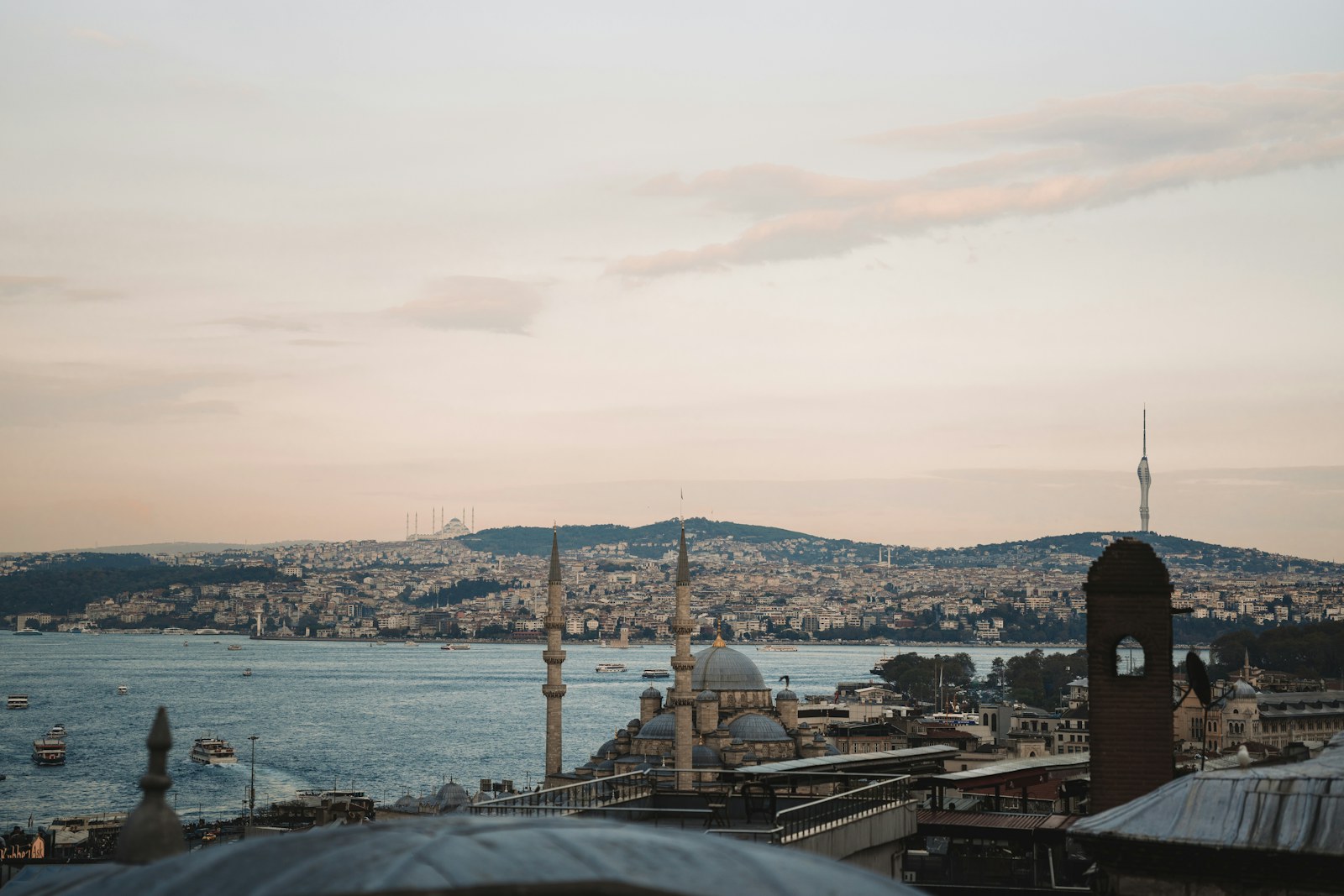
Can Istanbul be seen in two days?
Two days are enough for a meaningful first encounter with Istanbul, but not for a complete one. The city rewards travellers who choose a coherent route instead of collecting distant landmarks. The most useful principle is geographical: keep the first day on the Historic Peninsula, then use the second day for the waterfront, Galata and the Bosphorus. This reduces time lost in traffic and turns the journey between sights into part of the experience. You will still miss many museums, neighbourhoods and food traditions, yet you will understand why this city developed where Europe and Asia meet.
Day one morning: Sultanahmet in historical order
Begin around Sultanahmet Square, where the former Hippodrome helps explain the ceremonial centre of Constantinople. From here the Blue Mosque, Hagia Sophia and the outer courts of Topkapı Palace sit within a compact walking area. UNESCO describes the Historic Areas of Istanbul as an exceptional meeting of Byzantine and Ottoman architecture; that layered relationship is easier to understand on foot than through a vehicle window. Choose two major interiors rather than rushing through every ticketed monument. Check current visiting arrangements on official pages, especially for active places of worship, and carry clothing that respects entry requirements.
Choose depth over a checklist
Hagia Sophia is best approached as a building that has carried several identities, not simply as a photograph. Nearby, the Blue Mosque frames the same urban landscape from an Ottoman perspective. Topkapı Palace then introduces the administrative and domestic world of the Ottoman court. Visiting all three interiors in one short morning can feel mechanical, particularly when queues are long. A better plan is to explore two carefully, then use the remaining time to notice fountains, courtyards, rooflines and the relationship between the monuments. If archaeology is your priority, the Istanbul Archaeological Museums provide a substantial alternative close to Gülhane.
Day one afternoon: from the cistern to the bazaar
After lunch, continue toward the Basilica Cistern if it fits your interests and current admission conditions. Then walk west toward the Grand Bazaar. The bazaar is not one single souvenir hall but a network whose character changes from jewellery and textiles to leather, ceramics and everyday trade. Enter with a rough sense of direction and leave time to get slightly lost. Continue downhill through the commercial streets toward Eminönü. This route reveals a working city between celebrated monuments: small workshops, hans, tea counters and delivery carts are part of the experience, not empty space between attractions.
End the first day beside the Golden Horn
Around Eminönü, the New Mosque, Spice Bazaar and ferry piers create a natural final chapter. The waterfront is especially useful at the end of the day because you can adjust the plan according to energy and weather. Cross Galata Bridge on foot for views of the Historic Peninsula, or take a short public ferry simply to see the skyline from the water. Dinner does not need to become another destination race. Choose a place close to your accommodation or along the route back. Istanbul days involve slopes, stone streets and security lines, so an apparently modest walking plan can already be full.
Day two morning: Karaköy, Galata and Beyoğlu
Start in Karaköy before the streets become busiest. The district combines ferry traffic, nineteenth-century façades, contemporary galleries and food businesses. Walk uphill toward Galata, pausing rather than treating the tower as the only purpose of the neighbourhood. From Galata, continue along İstiklal Avenue and its side streets. Passages, churches, consulates and apartment buildings show another phase of the city’s history. If crowds are tiring, descend earlier toward the water or use the historic funicular. The aim is to understand the change from port district to cosmopolitan hill, not to complete every shopping stop.
Day two afternoon: let the Bosphorus connect the city
A Bosphorus ferry is transport, orientation and sightseeing at once. Public ferries and longer cruises follow different routes, so verify the current timetable and choose according to the time available. Even a crossing between the European and Asian shores explains Istanbul’s geography better than a map. Üsküdar offers a waterfront view back toward the Historic Peninsula, while Kadıköy adds market streets and a more residential rhythm. Do not promise yourself every district. Select one Asian-side stop, walk locally, then return by ferry while daylight still allows clear views of palaces, mosques and hillside neighbourhoods.
What should be booked or checked?
Opening arrangements, restoration work, religious services and ferry schedules can change. Confirm important interiors through official museum or monument channels shortly before the visit. Keep digital and offline copies of the accommodation address, and use an Istanbul transport card where current rules permit. Comfortable shoes matter more than formal sightseeing clothes, although a light layer that covers shoulders and knees is helpful for mosque visits. In summer, water and shade breaks protect the pace; in cooler months, wind on the ferries can make the waterfront feel colder than inland streets.
How to adapt the route
Families may replace one long museum visit with Gülhane Park and a shorter ferry ride. Travellers focused on art can devote more of day two to museums and galleries around Karaköy and Beyoğlu. Food-focused visitors can slow down in the Spice Bazaar area or Kadıköy market, remembering that the best meal is rarely improved by crossing the city at rush hour. If mobility is limited, note that Galata and parts of the Historic Peninsula are steep and uneven; ferries, trams and carefully chosen taxi segments can reduce strain. Build the route around access needs rather than forcing the standard sequence.
The most realistic two-day answer
The best answer to “what can I see in Istanbul in two days?” is not a list of twelve monuments. It is one day devoted to the imperial city and one day following the port, modern districts and Bosphorus. This gives the journey a narrative: Constantinople and Ottoman Istanbul first, then the maritime metropolis that continues to change. Leave one flexible period each day for queues, weather or a place that deserves longer. You will depart with unfinished plans, which is normal here, but also with a mental map strong enough to guide a future visit.