
Read Ankara as more than an administrative capital
Ankara is often treated as a practical stop between flights or as the city of ministries. That misses the reason it works so well as a cultural destination. Within one carefully paced journey, travellers can move from Bronze and Iron Age Anatolia to Roman Ankara, Ottoman neighbourhoods and the institutions of the modern republic. The city is not arranged as a compact open-air museum, so the best plan groups places by district and gives each collection enough time. A two-day stay in the centre, with a separate excursion to Gordion, creates a clearer story than a hurried checklist.
Begin around the citadel and old market streets
Start in Ulus and climb toward Ankara Castle while the lanes are relatively quiet. The walls and viewpoints are memorable, but the surrounding neighbourhood matters just as much. Restored houses, workshops, cafés and older commercial streets reveal how the historic core has continued to change. Keep in mind that the citadel is also a lived-in area: ask before photographing people or doorways and avoid blocking narrow passages. The slope is uneven in places, so supportive shoes are useful. From the upper streets, the broad modern city makes Ankara’s layers visible in a single panorama.
Let the Museum of Anatolian Civilizations set the chronology
The Museum of Anatolian Civilizations occupies the restored Mahmutpaşa Bedesteni and Kurşunlu Han below the citadel. Its collections help visitors place sites such as Çatalhöyük, Hattuşa and Gordion within a much longer Anatolian sequence. Do not try to read every label. Follow the main chronological route, select a few objects in each period and notice changing materials, symbols and forms of settlement. Official museum information should be checked before travel because galleries can close temporarily for conservation or renovation. A focused visit here provides context for almost every archaeological stop elsewhere in Türkiye.
Walk down to Roman and religious Ankara
Continue toward the Hacı Bayram area, where the mosque, the remains of the Temple of Augustus and the surrounding square bring different periods close together. This is an active religious and civic space rather than a staged attraction. Dress respectfully, lower your voice and allow worshippers priority. Nearby Roman remains, including the Column of Julian and the Roman Baths area, help explain Ankara’s position on older routes. Their value lies in the network they suggest, not only in the amount of masonry that survives. Grouping these places on foot reduces unnecessary transport and keeps the historical sequence understandable.
Reserve Anıtkabir for unhurried attention
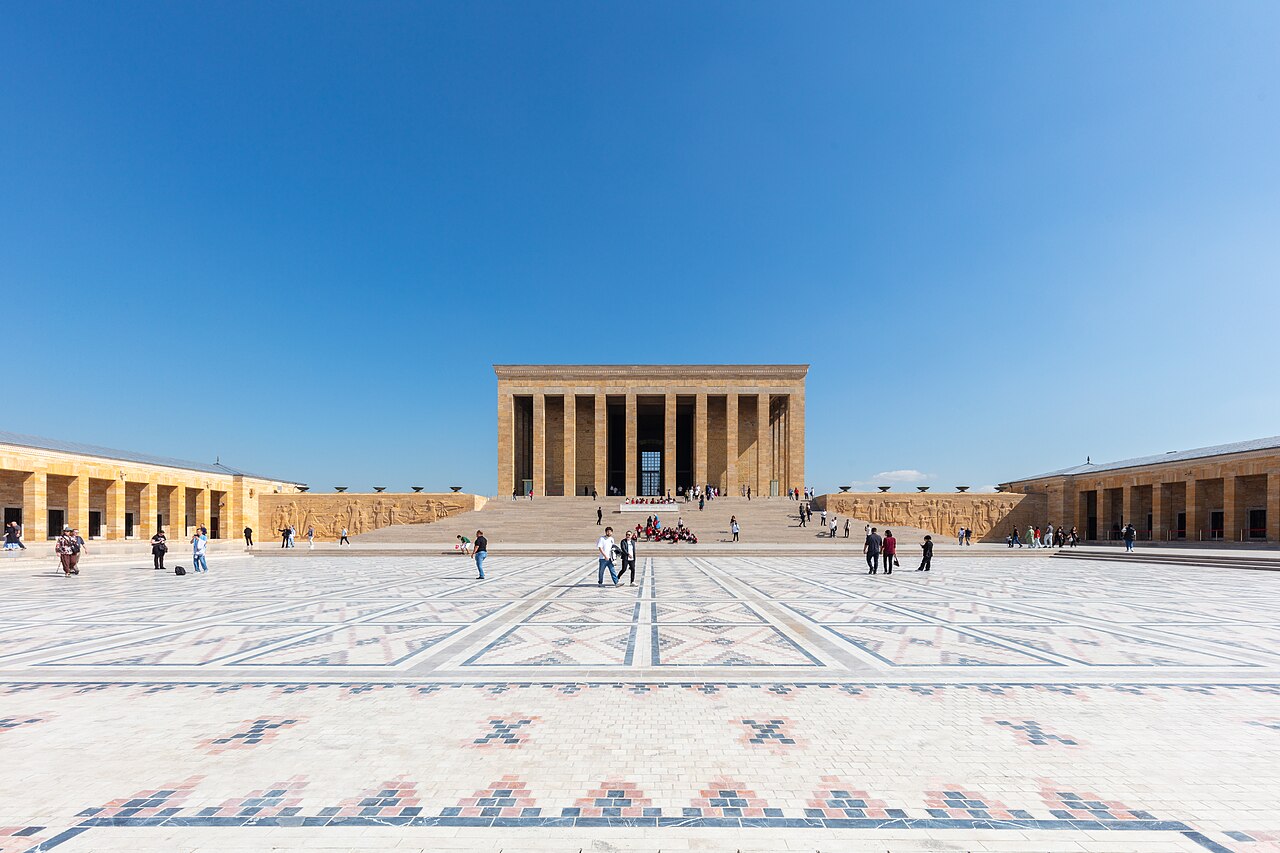
Anıtkabir, the mausoleum of Mustafa Kemal Atatürk, is central to understanding the public memory of the Turkish Republic. Its ceremonial approach, monumental architecture, museum displays and views require more time than a quick photograph. Security procedures and official events can affect movement, so travel light and follow instructions on site. The atmosphere is commemorative. Keep conversations measured, avoid playful posing and make room for school groups and citizens paying their respects. The visit becomes more meaningful when paired with the older city, because Ankara’s transformation into a national capital then has a visible before and after.
Use the second day for modern civic Ankara
A second city day can connect the ethnography collections, early republican architecture, galleries and the broad avenues around Kızılay. Choose according to interest rather than trying to enter every institution. Museum programmes and temporary exhibitions change, while traffic can make short map distances surprisingly slow. Metro journeys and walking often work better than repeated taxi rides. Pause in a local café or neighbourhood market instead of treating the day as a sequence of interiors. Ankara’s everyday rhythm is part of the destination: university life, bookshops, performing arts and parks explain why the capital feels different from İstanbul.
Make Gordion a separate archaeological excursion
UNESCO inscribed Gordion in 2023 as outstanding testimony to Phrygian civilisation. The site lies southwest of Ankara in an open rural landscape and includes the Citadel Mound, settlement areas, fortifications and a remarkable field of burial mounds. The monumental gateway, traces of elite buildings and production areas reveal far more than the popular story of the Gordian knot. Tumulus MM, often associated with the age of King Midas, contains an exceptionally early preserved wooden burial chamber. Give the landscape time: distance between features and exposure to sun, wind or cold make this a different experience from a city museum.
Prepare for conditions rather than a fixed timetable
Gordion is best approached with current transport and access information. A private vehicle or arranged excursion may be simpler than relying on infrequent connections, but conditions change. Bring water, sun protection and layers, and stay on marked paths. Do not climb tumuli or collect fragments. Archaeological ground can be fragile even when it looks empty. Pair the site with its museum where access permits, and read the official UNESCO description before arrival. It will help you recognise why construction, textile production, timber engineering and the surrounding funerary landscape are central to Gordion’s significance.
Build a balanced three-day plan
On day one, combine the citadel, Museum of Anatolian Civilizations and Hacı Bayram district. Give day two to Anıtkabir and a selected group of republican-era or contemporary sites, leaving room for parks and local food. Use day three for Gordion rather than squeezing it between city appointments. If Ankara is part of a wider itinerary, compare our Türkiye tours and the Cappadocia guide to decide whether to continue east by road or rail. A deliberate pace turns Ankara from a transit point into a strong introduction to the many civilisations that shaped Anatolia.