
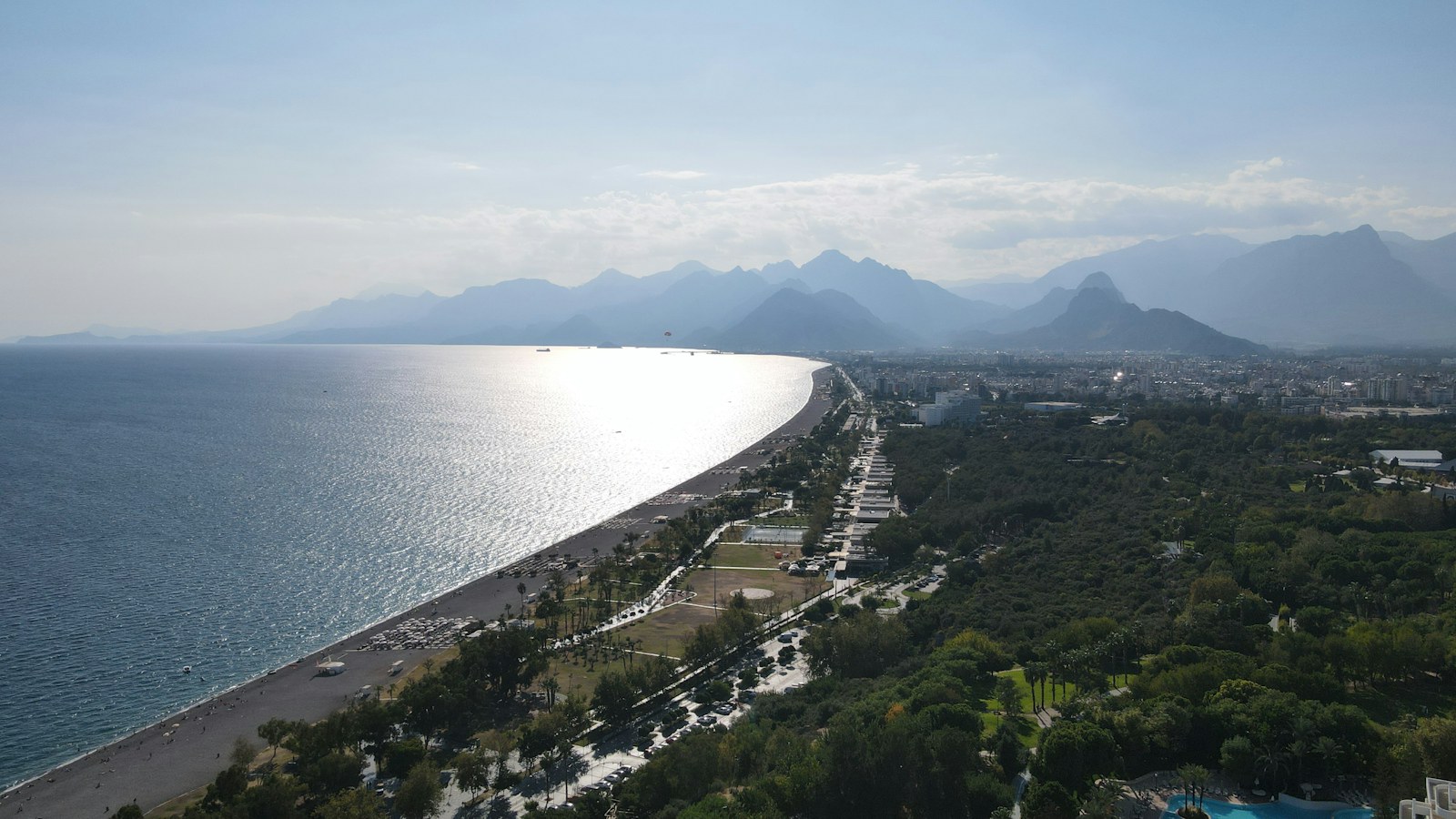
Antalya is more than a beach destination
Antalya is often introduced through turquoise water and resort hotels, yet the city is also a practical base for exploring several layers of Mediterranean history. Within one thoughtful itinerary you can walk through the walled lanes of Kaleiçi, look across the old Roman harbour, study sculpture in the archaeology museum, and travel east to the ancient cities of Perge and Aspendos. The key is not to treat every place as a separate photo stop. Antalya makes more sense when you follow the relationship between the coast, the fertile Pamphylian plain and the roads that connected its cities. This guide offers a balanced route rather than an exhausting checklist.
Begin in Kaleiçi and follow the streets downhill
Kaleiçi is the historic heart of Antalya. Enter through the area around Hadrian’s Gate, then allow the narrow streets to lead gradually toward the marina. The district preserves traces of Roman, Seljuk and Ottoman life in its walls, religious buildings and restored houses. Early morning is rewarding because the lanes are quieter and the changing light reveals the stonework. Do not rush directly to the water. Pause at small squares, notice the relationship between courtyard houses and defensive walls, and look back uphill.
Read the harbour as part of the city
The old harbour is not simply a viewpoint below Kaleiçi. It explains why Antalya developed here. Sheltered water, a defensible cliff and routes inland made the site useful to successive powers. From the marina, climb to a terrace rather than returning by the same lane; the higher view makes the shape of the harbour clearer. Boat trips are widely offered, but routes, weather and safety conditions vary, so compare current information before committing. If you prefer to stay on land, the cliff-top parks provide long coastal views without turning the day into another transfer. Continue planning with our Antalya tour collection.
Give the archaeology museum enough time
Antalya Archaeology Museum helps connect objects to the landscapes around the city. Collections from Pamphylia and nearby ancient centres make the later visits to Perge and Aspendos easier to understand. Sculpture, sarcophagi, coins and everyday objects show that these sites were living communities rather than isolated monuments. Visit before the ancient cities if you want background, or afterwards if you prefer to recognise places you have already walked through. Either order works, but avoid treating the museum as a short indoor break. Check official access information close to your visit because galleries, restoration work and ticket arrangements can change.
Perge deserves a slow walk
Perge lies on the Pamphylian plain east of Antalya and rewards visitors who look beyond the first monumental structures. Its theatre and stadium announce the scale of the city, while the gate complexes, colonnaded street, baths and water system reveal how movement and public life were organised. Walk the main axis slowly and look for the channel that once carried water through the urban centre. The site is exposed, so sun protection and water matter in warm months. Perge is best understood as a complete city plan. Allow time to connect its ceremonial entrances, commercial spaces and public buildings instead of photographing one column and leaving.
Aspendos is more than its theatre
Aspendos is celebrated for its remarkably preserved Roman theatre, built in the second century and still admired for its stage building and architectural coherence. The theatre deserves close attention, but the upper city adds important context. If conditions and access allow, continue toward the remains of the basilica, agora, fountain and aqueduct system. These structures show the economic and engineering network behind the performance space. Events may affect access, and the exposed paths beyond the theatre require sensible footwear. Read current official notices before departure. Combining Perge and Aspendos in one day is realistic when transport is organised, but leave enough time for both.
A practical three-day order
Use the first day for Kaleiçi, the harbour and nearby cliff-top viewpoints. On the second day, pair the archaeology museum with a slower city afternoon, perhaps including local markets or the waterfront. Reserve the third day for Perge and Aspendos, travelling outward in the morning and returning before evening traffic if possible. This order reduces unnecessary crossings and lets the museum deepen the ancient-city visits. Travellers with another day can add Side, Termessos or a nature excursion, but one additional place is usually more rewarding than three rushed stops. For a wider route, compare the multi-day Türkiye journeys that connect Antalya with other regions.
Choose the season by travel style
Summer brings long days and lively coastal evenings, but exposed archaeological sites can be intensely hot. Spring and autumn often suit travellers who prioritise walking, while winter can offer quieter streets with a greater chance of rain and changeable conditions. No season guarantees perfect weather. Plan shade, water and flexible indoor alternatives rather than building the entire visit around a forecast. Footwear should work on polished old-town paving and uneven archaeological ground. A light layer is useful near the coast after sunset. Always check local warnings and transport schedules shortly before travelling, particularly if your route includes rural sites.
Eat and pause without losing the route
A strong Antalya day includes time to sit rather than only moving between landmarks. Read recent menus, ask what is seasonal and allow lunch to break the day naturally. Regional meals may include vegetables cooked in olive oil, grilled fish, tahini-based piyaz and citrus flavours, though recipes vary by establishment. Carry water at Perge and Aspendos and do not assume every service point will be open. Thoughtful pauses improve attention: after a rest, architectural details and changes in the landscape become easier to notice.
Build a journey with depth
Antalya works best when the old port, museum and ancient cities are treated as one connected story. Kaleiçi explains the maritime setting, the museum introduces the region’s material culture, Perge reveals urban planning and Aspendos demonstrates the ambition of Roman public architecture. Together they offer much more than a coastal stop. If you are combining Antalya with Cappadocia, Ephesus or Pamukkale, leave realistic travel time and avoid sacrificing whole sites to airport connections. Our Pamukkale guide offers a useful model for giving an archaeological landscape the time it deserves.