
Read Bursa as an early Ottoman capital
Bursa rewards travellers who look beyond a single mosque or market. The city developed as the first major Ottoman capital, and its urban form explains how religious, commercial and social institutions grew together. UNESCO lists Bursa and nearby Cumalıkızık as a serial property made up of eight components, including the Hanlar District, early sultanic complexes and the village. Rather than racing between monuments, plan a route that connects trade, worship, public charity, craft and neighbourhood life.
Begin in the Hanlar District
Start near the covered market while the lanes are still relatively calm. The Hanlar District grew around inns, bazaars and places of worship that supported Bursa’s position on long-distance trade routes. Koza Han is the best-known stop, but its importance is clearer when you also notice the surrounding passages, smaller hans and commercial streets. Walk slowly through the courtyard, then continue toward the Grand Mosque. Shops are active businesses rather than museum displays, so keep entrances clear and ask before photographing staff. If you want silk, ask about fibre, production and origin instead of assuming every patterned scarf was woven locally.
Give the Grand Mosque time
The Grand Mosque, or Ulu Cami, should not be treated as a quick photo stop. Its broad interior, multiple domes, calligraphic panels and central fountain create a spatial experience unlike that of a single-domed imperial mosque. It remains an active place of worship. Dress respectfully, avoid prayer times when visitor access may be limited and keep conversations quiet. Look at the relationship between the building and the market around it: spiritual, civic and commercial life were not planned as isolated zones. That connection is essential to understanding Bursa’s historic centre and helps explain why the UNESCO property includes both monumental complexes and the commercial district.
Follow the city’s külliye pattern
Early Ottoman Bursa expanded through külliyes: complexes that could bring together a mosque, school, bath, kitchen, tomb and charitable services. The Orhan Gazi, Hüdavendigar, Yıldırım, Yeşil and Muradiye areas reveal different stages of this development. Do not attempt every complex in one rushed afternoon. Choose two or three and compare their position, courtyards and surrounding neighbourhoods. The Green Mosque and Green Tomb are especially valuable for studying tilework, while Muradiye offers a quieter ensemble of tomb architecture and gardens. Opening arrangements can change around restoration, worship and official activity, so confirm access locally and accept that a closed interior does not make the surrounding urban context less worthwhile.
Use the Green district as an art lesson
The Green Mosque was commissioned by Mehmed I in the early fifteenth century, and the former madrasa now houses the Museum of Turkish and Islamic Arts. Official tourism information highlights İznik and Kütahya ceramics, woodwork, metalwork, coins, clothing and other objects. Pairing the museum with the mosque and tomb helps separate architectural decoration from later souvenir versions of “Ottoman style.” Look closely at colour, geometry, script and material, but avoid flash where it is restricted. Museum hours and collections may change, so check official information on the day. A focused hour here often adds more understanding than several hurried shopping stops.
Cross to Muradiye at a slower pace
Muradiye is a useful counterpoint to the busier market quarter. Its mosque, madrasa, bath and dynastic tombs form another UNESCO component, but the atmosphere is more contemplative. Read signs before entering tombs and remember that they are commemorative and religious spaces. The complex also shows how gardens and paths organise movement between buildings. If your schedule is tight, use a taxi or public transport between Green and Muradiye rather than spending the best part of the day in traffic or on steep streets. Bursa’s historic areas are spread across different levels, and map distance does not always represent walking effort.
Add Cumalıkızık with realistic expectations
Cumalıkızık is frequently presented as a perfectly preserved village, yet it is also a living settlement where residents work, host visitors and manage daily traffic. Its Ottoman-period street pattern, timber-and-mud-brick houses and relationship with the mountain landscape are central to the UNESCO listing. Arrive early if possible, keep doorways and lanes open, and never enter private courtyards without invitation. Wear shoes with grip because stones can be uneven or slippery. A village breakfast can be enjoyable, but choose a place transparently and ask what is included before ordering. Avoid turning residents and their homes into props for staged photographs.
Decide whether Uludağ belongs in the same day
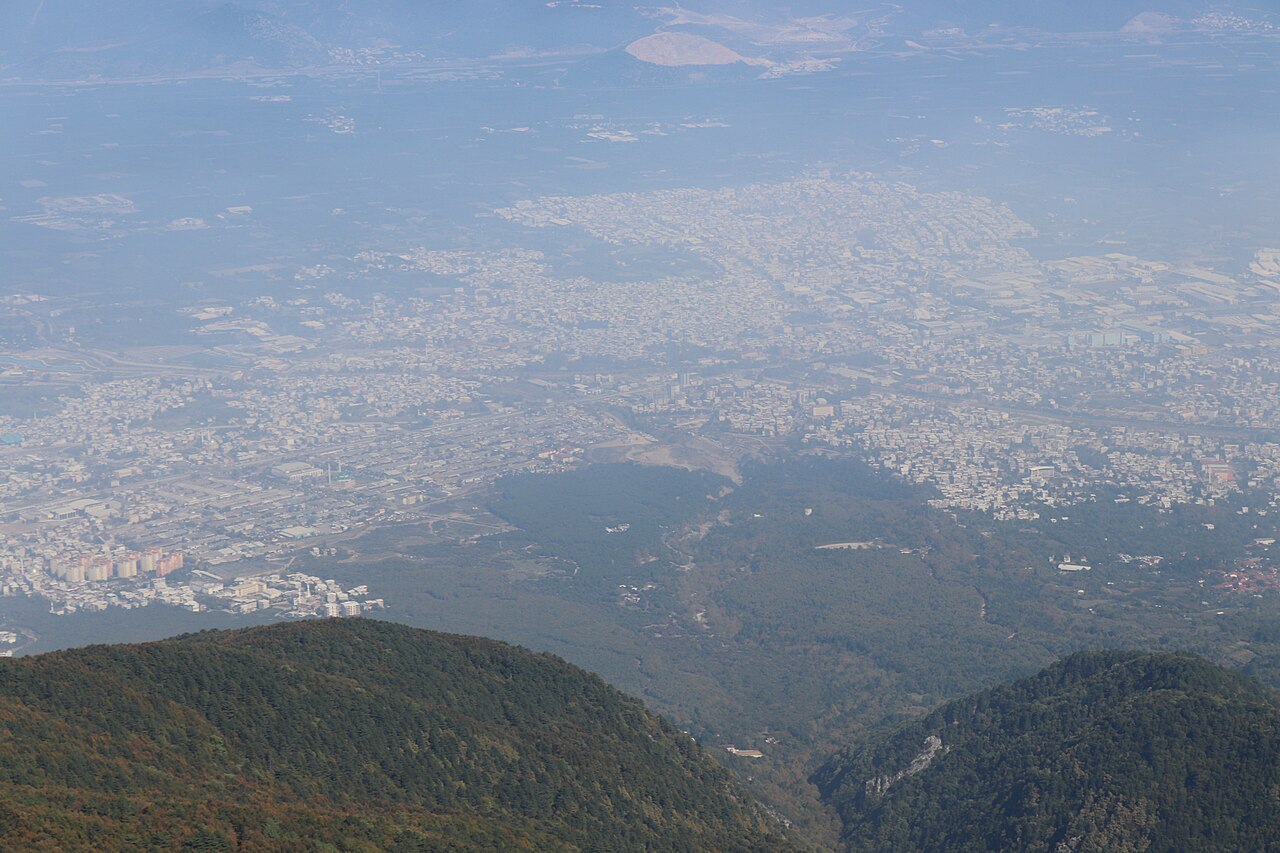
Uludağ adds forests, views and seasonal mountain activity, but combining the historic centre, Cumalıkızık and the mountain in one day usually sacrifices depth. The cable car is an experience in itself, although operation can be affected by weather or maintenance. If Bursa is a day trip from İstanbul, prioritise the UNESCO centre and one additional area. With two nights, dedicate one day to the historic city and another to Cumalıkızık or Uludağ according to season and interest. Check current transport and weather information rather than planning around an old timetable.
Taste Bursa without reducing it to one dish
İskender kebab is closely associated with Bursa, but the city’s food culture also includes cantık, chestnut sweets, milk desserts and produce from surrounding districts. Ask what a restaurant prepares well instead of building a checklist of famous names. Portions can be substantial, so sharing allows more variety and reduces waste. Travellers with allergies should ask specifically about dairy, bread, nuts and shared preparation surfaces. Market tea, a simple lunch and a carefully chosen sweet can fit the historic route better than a long detour to a restaurant selected only for social-media fame.
Build a balanced two-day route
On day one, begin with Koza Han and the Hanlar District, visit the Grand Mosque, then continue to the Green complex and its museum. Use late afternoon for Muradiye when the pace of the city softens. On day two, travel to Cumalıkızık early and reserve the afternoon for either Uludağ or another neighbourhood rather than trying both. Leave time for transport back to İstanbul, especially on weekends or in difficult weather. For a wider first journey through the country, compare our Türkiye tours and read the Istanbul two-day guide before deciding whether Bursa should be a day trip or an overnight stop.