
A destination that asks better questions
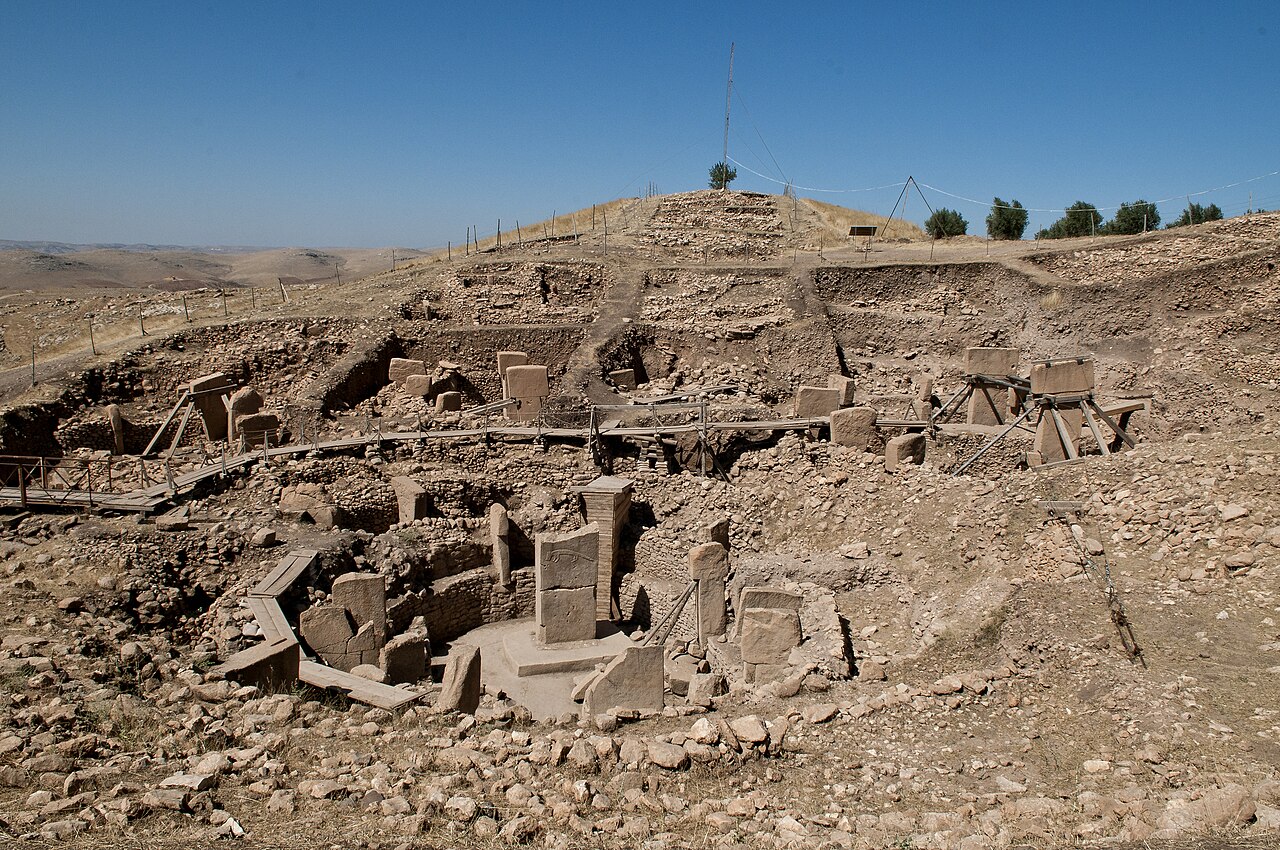
Göbekli Tepe rewards travellers who arrive with curiosity rather than a single dramatic headline. On a limestone ridge near Şanlıurfa, monumental enclosures were built during the Pre-Pottery Neolithic, long before writing and the familiar cities of classical Türkiye. UNESCO dates the main structures to roughly 9600–8200 BCE and describes their distinctive T-shaped pillars, some carved with wild animals. Their exact use remains a subject of research. Calling the site simply the world's first temple closes a question that archaeology is still investigating. A more rewarding visit asks how groups gathered, worked stone and gave meaning to a shared place at a turning point in human history.
Begin in Şanlıurfa
Treat Şanlıurfa as a base, not merely an airport or road junction. Its museum offers a wider frame for the region's early settlements and material culture; the archaeological site then becomes easier to read. If your day allows, visit the museum before the ridge, or leave it for the following morning so neither place is rushed. The order is less important than giving each a distinct purpose. At the museum, look for the relationship between ordinary objects and large communal buildings. At Göbekli Tepe, look for the scale of collective effort. This pairing turns an isolated landmark into a story about a landscape and its people.
Read the pillars without inventing a story
The carved animals attract attention, but avoid treating each relief as a code with a certain translation. UNESCO records wild animal imagery and notes that the buildings were probably associated with social events and rituals. Probably matters here. Archaeologists examine the forms, tools, deposits and surrounding terrain together; new evidence can change interpretations. A guide who distinguishes what is visible from what is inferred will give you more than a sensational claim. Spend time observing how the pillars relate to one another and how the enclosures sit within the slope. Their arrangement is as compelling as any single photograph.
Plan a visit around the site itself
The ridge is exposed, and the experience involves walking rather than viewing one object from a vehicle. Wear comfortable shoes with grip, bring water and allow time for the visitor route and interpretation panels. Sun, wind and rain can alter how comfortable the visit feels; check the forecast before leaving Şanlıurfa. Opening arrangements, tickets and transport services can change, so confirm current details through official museum channels. A private transfer may simplify the journey if you have limited time, but the drive is not the destination. Keep enough space in the schedule to pause, read and look back across the surrounding hills.
Consider the larger Neolithic landscape
Göbekli Tepe is part of a much broader conversation about early communities in Upper Mesopotamia. UNESCO describes the region as one connected with the emergence of ancient farming communities and identifies Göbekli Tepe as a remarkable example of early monumental architecture. That does not mean every stage of agriculture began at this one hill. The site matters because it changes the questions we ask about social organization, craft and gathering. If another archaeological stop appears in your itinerary, ask how its dating, purpose and preservation differ. Comparing evidence is more illuminating than collecting a list of superlatives.
Make room for the city after the ridge
Return to Şanlıurfa with time for an unhurried meal and a walk through the central streets. Archaeological travel can feel abstract after hours of dates and diagrams; a city evening restores human scale. Choose a local restaurant for its cooking and hospitality rather than expecting one dish to explain an entire region. Observe how markets, courtyards and everyday rhythms give the city a character distinct from the ancient site. If you are extending the journey towards Mardin, our Mardin guide offers a different view of southeastern Türkiye. The two places complement one another without being interchangeable.
Build a sensible two-day sequence
For a short stay, reserve the first day for arrival, the Şanlıurfa museum and a modest walk in the city. Put Göbekli Tepe early on the second day, then keep the afternoon flexible for a further local stop or a slower return. This sequence avoids trying to understand a major archaeological site between a late flight and an immediate onward drive. If travel times make the order impractical, reverse it but protect the same amount of attention. Check official visitor information shortly before departure and confirm any guide, transfer and admissions in writing. The strongest itinerary is one that leaves enough energy to notice details.
Connect the stop to a wider Türkiye journey
Göbekli Tepe can sit within a longer cultural route, but it is far from the western coastal circuit. Do not attach it casually to an Istanbul–Ephesus–Pamukkale plan without accounting for flights or substantial travel time. First decide whether your journey's focus is early Anatolian history, southeastern cities or a broad first visit. Then choose the regions that genuinely fit the available nights. Our Türkiye tours show possible combinations, while a tailored enquiry lets you ask about a route suited to your dates. This is a place to visit deliberately, not a pin to collect.
Leave with an open question
The most memorable part of Göbekli Tepe may be the uncertainty that remains. The surviving pillars show skilled stonework and coordinated construction; they do not provide a complete account of the people who made them. Respect that gap. Read the official interpretation, listen to a knowledgeable guide and give yourself permission to leave without a neat answer. Türkiye's cultural landscapes are richest when treated as evidence to explore rather than a sequence of fixed slogans. On the road back to Şanlıurfa, the ridge becomes less an isolated marvel and more a starting point for understanding the region's long human story.