
The Lycian Way does not require a month
The Lycian Way follows approximately 540 kilometres of Türkiye’s Mediterranean coast between the Fethiye area and Geyikbayırı near Antalya. Completing it is demanding, but travellers can experience its character through a shorter journey combining selected walks, villages and archaeological sites. The aim should not be to claim the trail without walking it. A well-designed four- or five-day itinerary can reveal coastal paths, pine forest, limestone slopes and Lycian heritage while leaving room for weather and transport. Choose stages according to ability, season and current trail information rather than copying an ambitious online schedule.
Base the first days around Fethiye
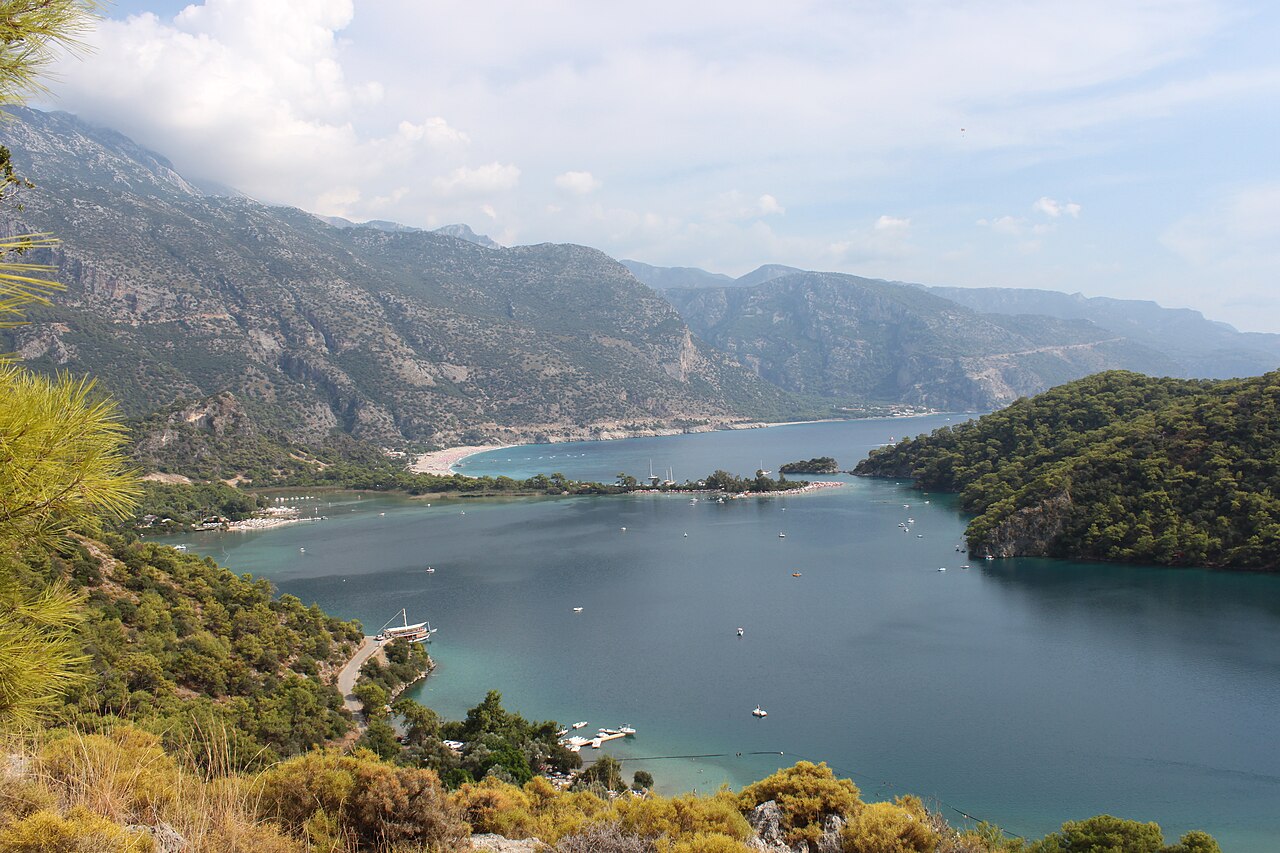
Fethiye provides transport, accommodation and access to the western trail. A short introductory walk near Kayaköy or the Ölüdeniz area can show the relationship between abandoned settlements, forest and sea, but gradients and heat still matter. Do not treat a short distance as automatically easy. Check elevation, surface, shade and exit points before departure. Start early, carry more water than a city walk requires and tell your accommodation which route you intend to take. In high summer, a coastal hike can become unsafe during the hottest hours. Spring and autumn are often more comfortable, yet rain, wind and slippery rock remain possible.
Select stages instead of chasing mileage
A manageable itinerary might combine one half-day walk near Fethiye, a coastal section around Faralya or Kabak, and a later stage near Patara or Kalkan. Transfers between trailheads can reduce repetitive road walking, but they should be arranged in advance. Trail markings can fade, routes may be diverted and phone coverage is not universal. Carry an offline map and a charged power bank, while remembering that digital navigation does not replace judgement. Turn back if conditions deteriorate. The experience lies in reading landscape and settlement patterns, not in maximizing kilometres. A rest afternoon can make the next stage safer and more enjoyable.
Treat villages as communities, not service points
The trail passes through working villages where accommodation, food and transport may be family-run and seasonal. Confirm reservations and meal arrangements rather than assuming a shop will be open. Carry cash in small denominations, reduce waste and refill water only where the source is clearly safe. Ask permission before photographing residents, gardens or livestock. Buying a meal or local product can support the community, but respectful behaviour matters more than a transaction. Keep noise low near homes and religious places. The Lycian Way depends on the goodwill of communities as well as the markings on rock and trees.
Make Patara a walking and archaeology day
Patara combines an extensive ancient city with a long coastal landscape. Its theatre, assembly building, streets and monumental remains deserve time before any beach visit. Access to parts of the coast can be regulated for environmental protection, including nesting wildlife, so follow current signs and official instructions. Do not enter closed areas or expect unrestricted night access. A short walk linking village, ruins and designated beach zones can be more meaningful than a strenuous stage after several hiking days. Carry sun protection because shade is limited around the archaeological site. Check transport back to your accommodation before beginning the afternoon section.
Pair Xanthos and Letoon thoughtfully
UNESCO recognises Xanthos-Letoon as an exceptional testimony to Lycian civilisation. Xanthos was a major political centre with distinctive funerary monuments and inscriptions, while Letoon served as a federal sanctuary with temples dedicated to Leto, Artemis and Apollo. The two sites are close enough to combine, but each requires concentration. Begin with Xanthos for the urban and funerary landscape, then continue to Letoon for the sacred setting and water features. Current access, conservation work and seasonal groundwater conditions can affect a visit. Stay on marked paths and do not climb tombs or architectural blocks for photographs.
Carry the right safety system
At minimum, take adequate water, food, sun protection, a first-aid kit, a charged phone, offline navigation, a whistle and a light layer. On longer or remote stages, consider trekking poles, emergency shelter and additional communication options. Footwear should be broken in before the trip. Share your route and expected return time with someone who will notice a delay. Solo walking requires a larger safety margin. Wildfire risk, storms, extreme heat and trail closures can make a planned stage inappropriate. Official warnings and local advice take priority over a fixed itinerary. Travel insurance should cover the activities you intend to undertake.
Respect landscape and archaeological remains
Carry out all rubbish, avoid shortcuts that increase erosion and never light fires outside authorised areas. Do not remove pottery fragments, stones, plants or shells. Ancient walls and tombs are fragile even when they appear solid. Drones may be restricted near archaeological sites, protected areas or settlements; verify permissions instead of assuming they are allowed. Keep distance from wildlife and livestock, closing gates as you found them. Refillable bottles and compact food reduce waste, but water availability must be confirmed. Responsible walking protects both ecosystems and the cultural route that makes the journey distinctive.
A practical five-day outline
Day one: arrive in Fethiye, check equipment and take a gentle local walk. Day two: complete a selected western stage with a confirmed transfer. Day three: move toward the Patara area and visit the ancient city at a relaxed pace. Day four: walk a shorter coastal or village section, adapting to weather and fatigue. Day five: visit Xanthos and Letoon before continuing toward Kalkan, Kaş or Antalya. This is a framework, not a promise of access or transport. Distances and accommodations should be verified for your dates. Build spare time into every connection and avoid booking a flight immediately after a remote hiking day.
Let the route remain unfinished
A short Lycian Way journey should create curiosity rather than pressure to complete the entire trail. Selected stages can show how ancient cities, sacred sites, farms, villages and the Mediterranean coast fit together. Keep notes about terrain and places you would like to revisit, and return in another season for a different section. If Antalya is your next stop, our Antalya guide helps connect the walking landscape with Perge, Aspendos and Kaleiçi. Compare Türkiye tour routes for the wider journey, while keeping hiking days flexible and independent of tight transport schedules.