
A table shaped by a crossroads
Mardin's stone streets attract visitors for their view over the Mesopotamian plain. The city's food offers another way to understand that landscape. Wheat, pulses, local spices, meat, herbs and fruit appear in combinations that reflect long exchanges between communities. GoTürkiye highlights stuffed and fried köfte, meat and fruit dishes, almond sweets and carefully prepared coffee among the region's distinctive tastes. These are starting points, not a fixed menu every kitchen must serve. Approach a day of eating as a sequence of small encounters: a bakery, a market, a patient lunch and a sweet finish. Ask what is made locally and what changes with the season.
Start where the bread is made
A bakery gives the morning a practical beginning. Look at the breads available rather than expecting one universal Mardin loaf. Wheat is central to the region's food culture, yet preparation varies by household, neighbourhood and bakery. Buy something fresh for breakfast and notice how it accompanies cheese, olives or a simple spread. If you are curious about a technique, ask when staff are free rather than interrupting work for a photograph. The point is to see food as daily labour, not just a list of named dishes. A short walk afterwards through the historic centre connects the meal with the stone buildings and trading streets that helped shape local habits.
Read the market before ordering lunch
Market stalls make regional ingredients visible. Depending on season and supply, you may encounter dried fruit, pulses, nuts, grains and spice mixtures. GoTürkiye describes Mardin cuisine through local herbs and spices as well as meat and fruit combinations. Ask vendors how an ingredient is used, and compare their answers; there may be more than one good method. Keep purchases modest if you are travelling onward, and check any customs rules before packing food for an international journey. A market visit also helps you make sense of restaurant menus later. You will recognise an ingredient as part of a local pattern instead of treating an unfamiliar name as a novelty.
Give stuffed dishes their own moment
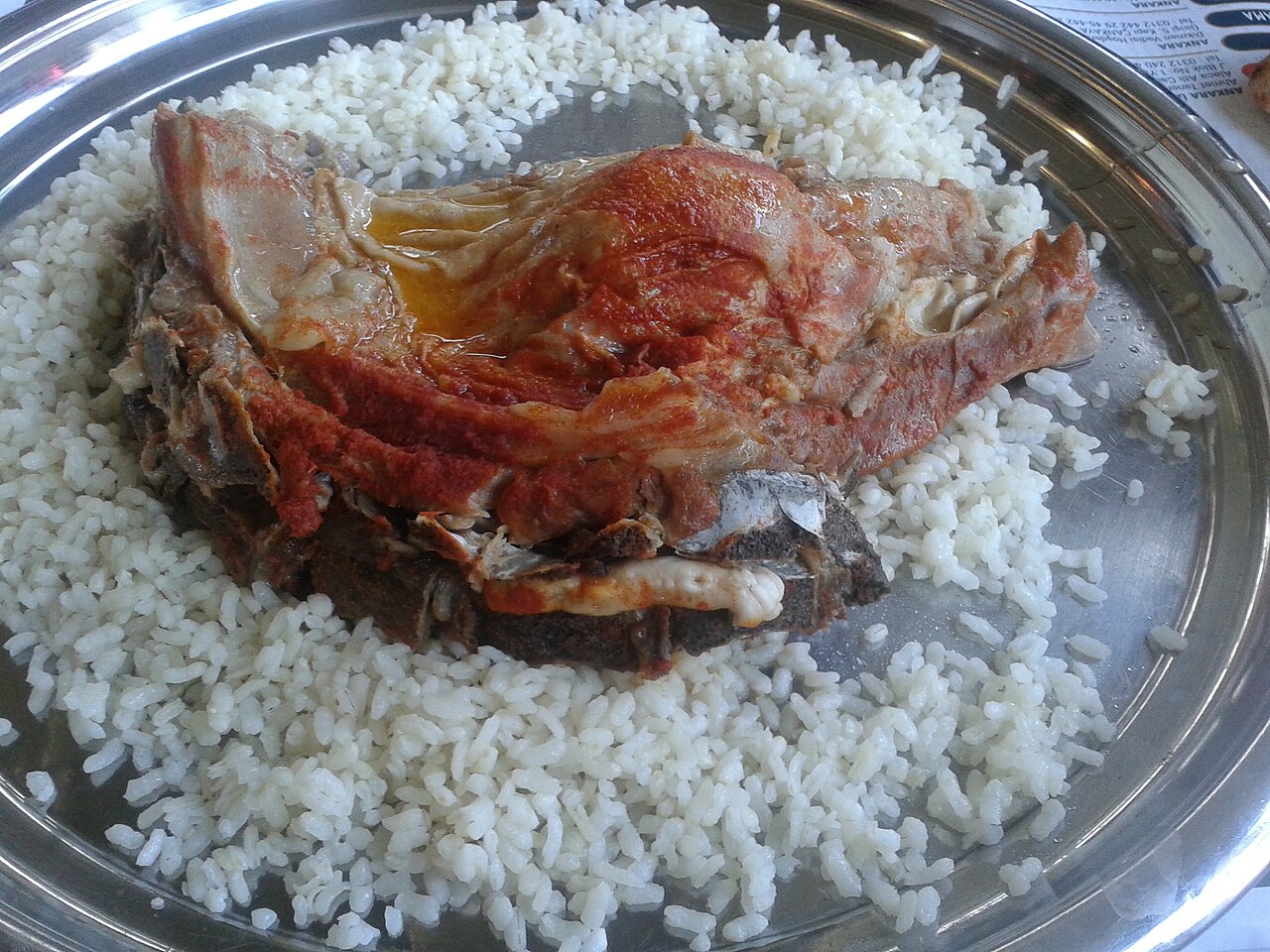
Mardin is associated with several kinds of filled food. GoTürkiye names ikbebet, a boiled stuffed köfte, and irok, a fried version, among the city's specialties. Their textures differ, so ordering a shared plate of each can be more informative than choosing one as the supposedly definitive form. Kaburga dolması, stuffed ribs, is another substantial dish associated with the region. It may require preparation and may not be available everywhere; ask ahead and avoid assuming a walk-in order is possible. Treat the dish as a centrepiece for a leisurely group meal, with lighter plates around it. If you avoid meat or have allergies, explain your needs clearly and confirm ingredients with the kitchen.
Notice sweet and savoury together
One of the pleasures of Mardin cooking is that familiar categories can overlap. Fruit may appear beside meat, nuts may enrich a filling, and a spice can lend warmth without simply making a dish hot. This does not mean every plate is elaborate. An ordinary lunch of soup, bread and a vegetable dish can tell you as much about a place as a festive specialty. Ask whether a menu reflects a particular community or a family recipe, and listen to the answer without turning it into a universal claim about the city. Regional cooking is a living practice, shaped by cooks, budgets, seasons and guests.
Finish with almonds and coffee
GoTürkiye identifies Mardin's coloured almond sweets as a local signature and describes mırra as a strong coffee served in small cups on particular occasions. Taste them with attention to context. A sweet shop can explain how its almonds are coated; a café can tell you which coffee it prepares and how it is served. Do not assume every cup labelled traditional follows one identical method. If you prefer something lighter, ask for alternatives rather than treating the strongest coffee as a challenge. Take a pause on a terrace or in a courtyard, but remember that the view and the hospitality belong to a working city, not a stage set.
Build a respectful tasting route
Choose a small number of stops close enough to enjoy on foot, then leave time for the historic streets of Mardin. Opening arrangements, menus and availability can change, so confirm a restaurant or workshop directly before making it central to your day. Avoid photographing people or food preparation without permission. Some recipes are tied to households or religious occasions; a respectful question is more useful than a claim that you have found the only authentic version. If you want a wider southeastern journey, compare the city's table with our Gaziantep food guide, noting both shared ingredients and different culinary identities.
Carry the experience beyond one meal
The best food memories here are often specific: a baker's explanation, the difference between two filled köfte, or a market purchase that makes sense only after lunch. Keep notes about where you ate and what the kitchen called each dish. That is more valuable than a generic checklist. If you are planning Mardin as part of a longer Türkiye trip, browse the tours and request a tailored route that leaves enough time for both heritage and food. A good itinerary allows you to return to a place you enjoyed rather than racing through every specialty in one sitting.