
Approach Konya through the logic of its table
Konya’s food is sometimes reduced to etli ekmek, the long, thin bread topped with a seasoned meat mixture. That dish is important, but it belongs to a wider Central Anatolian system shaped by grain, livestock, preservation, ceremony and hospitality. The city was a Seljuk capital and remains closely associated with Mevlevi culture. Its kitchen therefore carries traces of palace service, communal celebrations, tradespeople’s ovens and domestic thrift. A thoughtful tasting route should connect dishes with the occasions, neighbourhoods and skills that sustain them rather than treating the city as a list of famous plates.
Begin with bread and the neighbourhood oven
Etli ekmek is best understood as an oven culture. Thin dough, a finely prepared topping and fast baking create a result that should arrive crisp at the edges without becoming dry. Restaurants may serve individual portions or long pieces for sharing. Ask what size is appropriate before ordering, especially if you plan to taste several dishes. Variations in seasoning and texture are normal. Instead of debating which shop is the single “original,” observe the work around the oven, the speed of service and the way bread accompanies conversation. Ayran is a customary partner, but travellers with dairy restrictions should ask about alternatives.
Compare etli ekmek with bıçak arası
Bıçak arası uses hand-chopped meat and offers a useful comparison with the finer topping of etli ekmek. The name refers to the knife work, drawing attention to preparation rather than decoration. Ordering one of each for a small group can reveal differences in texture and fat without producing excessive waste. Confirm ingredients if you avoid lamb, beef, pepper or onion, because recipes vary. Shared ovens and preparation surfaces are common, so visitors with serious allergies need a direct conversation with the kitchen. A responsible tasting plan values clarity over assumptions based on a translated menu.
Give fırın kebabı its own meal
Fırın kebabı is slow-cooked meat associated with Konya’s oven tradition and is often served simply with bread. It is rich enough to deserve a dedicated lunch rather than being added after several pastries. Availability may depend on the time of day and the quantity prepared, which is part of the dish’s character. Ask the restaurant what is ready instead of expecting a guaranteed portion late in the evening. The apparent simplicity makes the quality of meat, patient cooking and handling of rendered fat especially visible. Share if portions are large and balance the meal with something lighter later in the day.
Understand bamya soup as a ceremonial course
Konya’s bamya çorbası uses small dried okra and a tart profile that can refresh the palate between richer courses. Official tourism information connects it with Seljuk and Mevlevi traditions and with wedding or invitation tables. It should not be judged against a vegetable stew from another region: its scale, acidity and place in a sequence are different. Ask whether the version contains meat and how it is seasoned. Tasting the soup before a main dish offers a glimpse of how celebratory meals use contrast, not simply abundance.
Look at the structure of the wedding meal
The Konya wedding table is a communal tradition rather than a restaurant tasting menu, although some establishments interpret its dishes. Pilaf with meat, soup, sweets and other courses are linked to collective service and hospitality. Visitors should be careful not to present private celebrations as public performances. If a restaurant offers a set inspired by wedding food, ask what is included and how the courses are normally served. The useful lesson is the rhythm of the table: dishes arrive with a social purpose, portions are shared and generosity is measured through care as much as quantity.
Place Mevlevi cuisine in cultural context
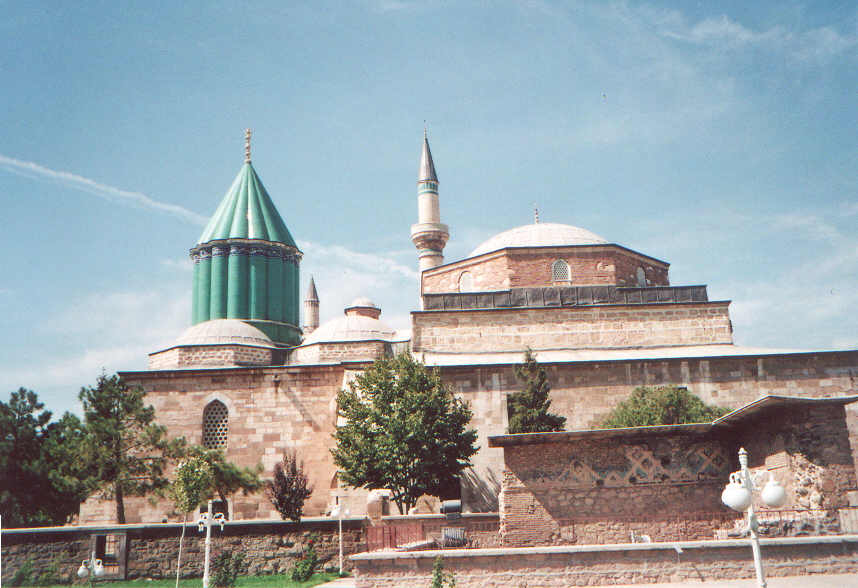
Food associated with Mevlevi institutions is often marketed through romantic language. Approach it with more precision. Kitchens connected with dervish lodges were places of training, order and service, and the cultural meaning cannot be reduced to decorative costumes or a themed dinner. Visit the Mevlana Museum and read about the tradition before choosing a culinary experience. Avoid venues that promise a sacred ceremony as casual entertainment. A respectful meal can still explore grains, soups, fruits, meat and sweets while acknowledging that living belief and commercial hospitality are not the same thing.
Add markets and sweets without rushing
Markets and confectioners reveal ingredients that are less visible on a restaurant plate. Look for dried okra strings, grains, tahini, grape products and regional sweets. Konya’s white sugar sweet, often called Mevlana şekeri or peynir şekeri despite containing no cheese in its basic form, is commonly purchased as a gift. Sample before buying a large box and check labels for allergens or additives. Packaging is not proof of local production, so ask where an item was made. A small purchase from a transparent producer is more useful than collecting identical souvenirs from several shops.
Plan one day of tasting with restraint
Begin with a modest breakfast and leave room for an early lunch of fırın kebabı or a shared oven selection. Use the afternoon for the Mevlana Museum, historic streets and a market stop. Try bamya soup and another local dish at dinner rather than repeating the same heavy menu. Opening times, weekly rhythms and availability change, so do not build the day around an unverified timetable. Walking between central sights helps maintain a comfortable pace, but the climate can be cold in winter and intense in summer; water and suitable clothing matter as much as appetite.
Connect Konya with a wider Central Anatolian journey
Konya pairs naturally with Ankara, Cappadocia or the archaeological landscape of Çatalhöyük, but each connection requires realistic travel time. Read our Ankara and Gordion guide and Cappadocia guide before fixing the order. For organised routes, compare the available Türkiye tours and request written confirmation of transport, meals and overnight arrangements. The best Konya food experience is not the greatest number of dishes; it is a coherent encounter with ovens, seasonal ingredients, communal service and the cultural memory carried by the table.